by Kimberly Lingley | Sep 10, 2026 | Uncategorized
Selling a home when buyers have plenty of choices requires thoughtful preparation. As market conditions shift, buyers may take more time to compare properties, making accurate pricing, strong presentation and effective marketing especially important.
Start With the Right Price
Price is one of the most important factors in attracting buyers. An asking price that is too high can cause buyers to overlook your property. A well-prepared comparative market analysis should consider recent sales, current competition, condition, improvements, location and other property features.
Make a Strong First Impression
Fall brings shorter days and changing weather, so presentation matters. Keep entryways well lit, clean windows, maintain outdoor areas and minimize excessive seasonal decorations. The goal is to make your home feel clean, bright and welcoming.
Strengthen Your Online Listing
Most buyers see a home online before visiting. Professional photos and clear listing information should highlight meaningful features such as renovations, layout, storage and outdoor space. Focus on what makes the property valuable rather than relying on generic marketing phrases.
Listen to Buyer Feedback
If your home receives showings but no offers, pay attention to the feedback. Buyers may be signaling concerns about price, condition or presentation. Be prepared to adjust your strategy when the market provides new information.
Make Your Home Easy to Choose
Small improvements can make a difference. Complete minor repairs, declutter, organize closets and make sure the home feels clean and well maintained. These details help buyers focus on the property’s strengths.
Strategy Matters
Homes can sell successfully in the fall when they are priced appropriately and presented well. Before listing, or if your home has been sitting on the market, review current competition and recent sales with your real estate professional.
Planning to sell this fall? Contact me for a fresh look at your home’s pricing, positioning and marketing strategy.
by Kimberly Lingley | Sep 10, 2026 | Uncategorized
Downsizing may sound simple: moving from a larger home to a smaller one. In reality, it can be an emotional and logistical process, especially when a home holds years of memories and belongings.
The key is to start early and approach the process one step at a time.
Start Early
If you think you may move within the next year or two, begin decluttering before your home goes on the market. Start with easier areas such as closets, old paperwork and duplicate household items. Early progress can make the eventual move much less stressful.
Think About Your Next Home
Downsizing is about more than square footage. Consider what you want from your next home, such as fewer stairs, less maintenance, a home office, space for guests or convenient access to shopping and transportation. Your lifestyle should guide your home search.
Measure Before You Move
Before deciding what to keep, consider the size and layout of your next home. Measure larger furniture and plan where important pieces will go. This can help you avoid unnecessary moving costs and difficult decisions later.
Handle Sentimental Items Carefully
Family photographs, keepsakes and inherited belongings can be difficult to part with. Give yourself time to make these decisions. Consider sharing meaningful items with family or taking photographs of things you cannot keep.
Be Realistic About Resale Value
Not everything that was valuable years ago will have significant resale value today. Research realistic prices and consider whether selling, donating or giving items to family makes the most sense. The goal is to keep what truly matters and serves your next chapter.
Plan the Sale and Purchase
If the equity in your current home will help fund your next home, timing becomes important. Selling first, buying first or arranging temporary housing are all possibilities. Discuss your options with your real estate agent and other financial professionals before making a decision.
Prepare Your Current Home
You may not need a major renovation before selling. Decluttering, cleaning, improving lighting, addressing maintenance issues and refreshing select areas can often make a home more appealing without unnecessary spending.
Focus on What You Gain
Downsizing is not only about having less. It can mean less maintenance, lower expenses, greater convenience and more time for the things you enjoy.
Start early, make decisions gradually and focus on creating a home that fits the life you want next.
Considering downsizing? Contact me for a confidential conversation about your options, your home’s current market position and planning your next move.
by Kimberly Lingley | Sep 7, 2026 | Uncategorized
Real estate investing is not only about finding a property and making a purchase. Successful investing also requires patience, research, financial discipline, and the ability to evaluate opportunities objectively.
An investor mindset can help you focus on long-term goals rather than short-term market reactions. By understanding risk, analyzing numbers, and staying prepared for changing conditions, you can make more informed real estate investment decisions.
What Is an Investor Mindset?
An investor mindset is an approach that focuses on evaluating opportunities based on facts, financial goals, risk, and long-term potential.
Instead of making decisions based primarily on emotions or market headlines, investors can look at income potential, expenses, financing, property condition, market conditions, and potential risks.
This approach does not guarantee a successful investment, but it can create a more structured decision-making process.
Focus on the Numbers
Real estate investments should be supported by careful financial analysis. Purchase price is only one part of the equation.
Investors should consider potential rental income, operating expenses, property taxes, insurance, maintenance, property management, financing costs, vacancy assumptions, and other expenses.
Depending on the investment strategy, investors may also evaluate cash flow, capitalization rate, return on investment, and potential appreciation.
Understanding the numbers can help you determine whether a property fits your investment strategy.
Think Long Term
Real estate investing often requires a long-term perspective. Market conditions can change, and property values may fluctuate over time.
Instead of focusing on short-term price movements, consider the property’s potential over your intended investment period.
Think about factors such as income potential, operating costs, financing terms, property improvements, market fundamentals, and future demand.
A long-term approach can help investors remain focused on their overall strategy when market conditions change.
Understand Risk Before Investing
Every investment carries risk. Real estate is no exception.
Potential risks can include vacancies, unexpected repairs, changing interest rates, rising operating expenses, market fluctuations, regulatory changes, and financing challenges.
Understanding these risks before purchasing a property can help investors prepare for different scenarios.
A strong investment plan should account for unexpected costs rather than assuming everything will go according to plan.
Avoid Emotional Decisions
Real estate can be an emotional investment. A property may look attractive, have appealing features, or appear to offer an exciting opportunity.
However, an attractive property is not automatically a strong investment.
Investors should separate personal preferences from financial analysis. Ask whether the property makes sense based on the investment strategy, numbers, risks, and expected performance.
Taking time to evaluate an opportunity can be more valuable than rushing because of fear of missing out.
Keep Learning
Real estate markets, financing conditions, regulations, technology, and investment strategies continue to evolve.
Successful investors make ongoing education part of their process. Market reports, financial resources, professional education, industry publications, and conversations with qualified professionals can all provide useful information.
The goal is not to predict every market change. It is to stay informed enough to make thoughtful decisions.
Build a Strong Financial Foundation
An investor mindset also involves understanding your own financial position.
Before purchasing an investment property, consider available capital, financing options, cash reserves, existing obligations, and expected investment expenses.
Maintaining adequate reserves can help investors handle unexpected repairs, vacancies, or changes in operating costs without placing unnecessary pressure on their finances.
Look for Opportunities, Not Just Properties
A property is only an investment opportunity when the numbers and strategy support the purchase.
Instead of asking only whether a property looks appealing, consider questions such as:
Does the property generate sufficient income?
Are the operating expenses reasonable?
Does the financing structure make sense?
What improvements may be needed?
What risks should be considered?
Does the investment align with your long-term goals?
These questions can help create a more objective evaluation process.
Have a Clear Investment Strategy
Different real estate strategies require different approaches. Some investors focus on rental income, while others may consider property appreciation, redevelopment, commercial real estate, or other opportunities.
Knowing your strategy can help determine which properties deserve further consideration.
A clear strategy can also help you avoid investments that do not match your financial objectives, even when they appear attractive at first.
Be Patient and Prepared
Not every property will be the right investment. Sometimes the best decision is to wait until an opportunity meets your criteria.
Patience does not mean ignoring the market. It means staying prepared so you can act when an opportunity fits your strategy.
Having financing in place, understanding your investment criteria, monitoring the market, and maintaining financial flexibility can help you respond when the right opportunity appears.
Review Your Investment Decisions
An investor mindset includes learning from past decisions.
After completing an investment, review the original assumptions and compare them with actual performance. Consider what worked well, what changed, and what could be improved.
This process can help refine your investment strategy over time and make future decisions more informed.
The Bottom Line
Developing an investor mindset can help you approach real estate with greater discipline and clarity. Research, financial analysis, risk management, patience, and continuous learning are all important parts of the process.
Real estate investing does not have a guaranteed outcome, and every property comes with its own opportunities and risks. By evaluating investments carefully and keeping your long-term goals in focus, you can build a more thoughtful approach to real estate investing.
by Kimberly Lingley | Aug 31, 2026 | Uncategorized
Buying a home is one of the biggest financial decisions many people make. From choosing a mortgage to planning for closing costs, each step can affect your long-term budget.
Understanding the basics of mortgages and finance can help you make informed decisions, compare your options, and prepare for the costs of homeownership.
Start With Your Budget
Before looking at homes, take time to understand what you can comfortably afford. A lender may approve you for a certain loan amount, but your approved amount does not always equal the payment that fits comfortably within your budget.
Consider more than the monthly mortgage payment. Your overall housing costs may include:
- Principal and interest
- Property taxes
- Homeowners insurance
- Mortgage insurance, if applicable
- Homeowners association fees
- Utilities
- Routine maintenance and repairs
A realistic budget can help you avoid stretching your finances too far.
Understand How Mortgage Rates Affect Your Payment
Mortgage rates can have a significant impact on your monthly payment and the total interest paid over the life of a loan.
Even a small change in the interest rate can affect your purchasing power. This is why it is important to compare loan options and understand the rate being offered, rather than focusing only on the purchase price.
Rates can change based on broader economic conditions, lender pricing, loan type, credit profile, down payment, and other factors.
Know Your Loan Options
There is no single mortgage that works for every buyer. Depending on your circumstances, you may encounter several types of financing.
Common options include:
- Conventional mortgages
- FHA loans
- VA loans for eligible borrowers
- USDA loans for eligible properties and borrowers
- Fixed-rate mortgages
- Adjustable-rate mortgages
Each option has different requirements, costs, and features. A qualified mortgage professional can help you understand which choices may fit your financial situation.
Your Credit Score Matters
Credit history can play an important role in mortgage approval and loan pricing. Before applying, review your credit reports and look for errors that may need to be corrected.
It can also help to:
- Pay bills on time
- Keep credit card balances manageable
- Avoid taking on unnecessary new debt
- Review your credit reports regularly
- Maintain stable financial records
Improving your credit profile may take time, so it is worth reviewing your finances well before you plan to buy.
Plan for Your Down Payment
A larger down payment can reduce the amount you need to borrow, but putting 20% down is not always required.
Some loan programs allow qualified buyers to purchase with a lower down payment. The right amount depends on your loan program, financial goals, cash reserves, and overall budget.
Instead of using every available dollar for the down payment, consider keeping funds available for closing costs, moving expenses, repairs, and unexpected expenses.
Do Not Forget Closing Costs
The purchase price is only one part of the cost of buying a home.
Closing costs can include expenses such as lender fees, appraisal costs, title services, recording fees, prepaid taxes, and insurance. The exact costs vary by transaction, loan type, location, and other factors.
Ask your lender for a detailed estimate early in the process so you have a clearer picture of the cash you may need at closing.
Compare More Than the Interest Rate
When comparing mortgage offers, the interest rate is important, but it should not be the only factor you consider.
Look at the overall loan cost, including:
- Annual percentage rate
- Loan term
- Closing costs
- Discount points
- Mortgage insurance
- Monthly payment
- Prepayment terms
- Estimated total interest
Two loans with similar interest rates can have different upfront and long-term costs.
Get Pre-Approved Before You Shop
A mortgage pre-approval can help you understand your potential financing range before you begin seriously comparing homes.
It can also make the buying process more organized because you have already provided financial information to a lender. Keep in mind that pre-approval is not the same as final loan approval. Your financial situation and the property still need to meet the lender’s requirements.
Think About the Long-Term Cost
A mortgage is usually a long-term financial commitment. When evaluating a home, think beyond the first monthly payment.
Ask yourself:
- Does the payment fit comfortably within my budget?
- How much cash will I have left after closing?
- What other costs will come with owning the property?
- How might my financial needs change over time?
- Am I comfortable with the loan’s terms?
Taking a broader view can help you make a decision based on your overall financial picture.
Make Mortgage Decisions With Confidence
Mortgage and finance decisions can feel complicated, especially when you are comparing rates, loan programs, down payments, and closing costs at the same time.
The goal is not simply to find the largest loan you qualify for. It is to understand your options and choose financing that supports your budget and long-term goals.
With careful preparation, realistic budgeting, and professional guidance, you can approach the home-buying process with greater financial confidence.
by Kimberly Lingley | Aug 24, 2026 | Uncategorized
Homeownership is more than having a place to call home. It can provide financial benefits, long-term stability, and the freedom to make your space your own.
For many people, buying a home is one of the biggest financial decisions they will make. Understanding the benefits can help you decide if homeownership fits your goals and plans.
1. Build Equity Over Time
One of the biggest benefits of owning a home is the opportunity to build equity.
Equity is the difference between your home’s value and the amount you still owe on your mortgage. As you make mortgage payments and your home value changes over time, your equity may grow.
That equity can become an important part of your overall financial picture.
2. Create Long-Term Financial Value
Unlike rent, which generally pays for the right to occupy a property, mortgage payments can contribute toward ownership of an asset.
Home values can rise or fall based on market conditions, so appreciation is never guaranteed. However, owning a home allows you to benefit if the property’s value increases over time.
3. Enjoy More Control Over Your Home
Homeownership gives you greater freedom to personalize your property.
Depending on local rules, your budget, and your home’s requirements, you can update rooms, change finishes, improve outdoor spaces, or make other changes that fit your preferences.
These improvements can also make the home more comfortable and functional.
4. Plan for Greater Housing Stability
Owning a home can provide more control over where you live and how you use your property.
With a fixed-rate mortgage, the principal and interest portion of your payment generally remains consistent throughout the loan term. Property taxes, insurance, maintenance costs, and other expenses can still change.
This can make long-term budgeting easier for some homeowners.
5. Potential Tax Benefits
Homeownership may provide certain tax benefits depending on your individual situation and current tax laws.
Some homeowners may qualify for deductions related to mortgage interest or property taxes. Tax rules can vary, so it is important to consult a qualified tax professional about your circumstances.
6. Create a Foundation for Future Goals
A home can play an important role in long-term financial planning.
As equity grows, homeowners may have additional financial options in the future. These could include selling the property, moving to another home, or potentially using available equity for qualified financial needs.
The right choice depends on your financial goals and the value of your home.
7. Make Your Home Work for Your Lifestyle
Homeownership can also provide practical benefits.
You can choose how to organize and maintain your space based on your needs. Whether you want a dedicated home office, a more functional kitchen, or outdoor living space, owning a property can give you more flexibility to make those changes.
Is Homeownership Right for You?
Buying a home is not automatically the best choice for everyone. Your income, savings, credit profile, lifestyle, plans, and local housing market all matter.
Before buying, consider your upfront costs, monthly payment, maintenance expenses, property taxes, insurance, and how long you expect to stay in the home.
A thoughtful decision can help you choose a property that supports both your current needs and your long-term goals.
The Bottom Line
Homeownership can offer more than a place to live. It can provide an opportunity to build equity, create long-term financial value, personalize your space, and plan for the future.
If you are considering buying a home, understanding both the benefits and responsibilities can help you make a confident, informed decision.

by Kimberly Lingley | Jun 2, 2026 | Residential | Closed
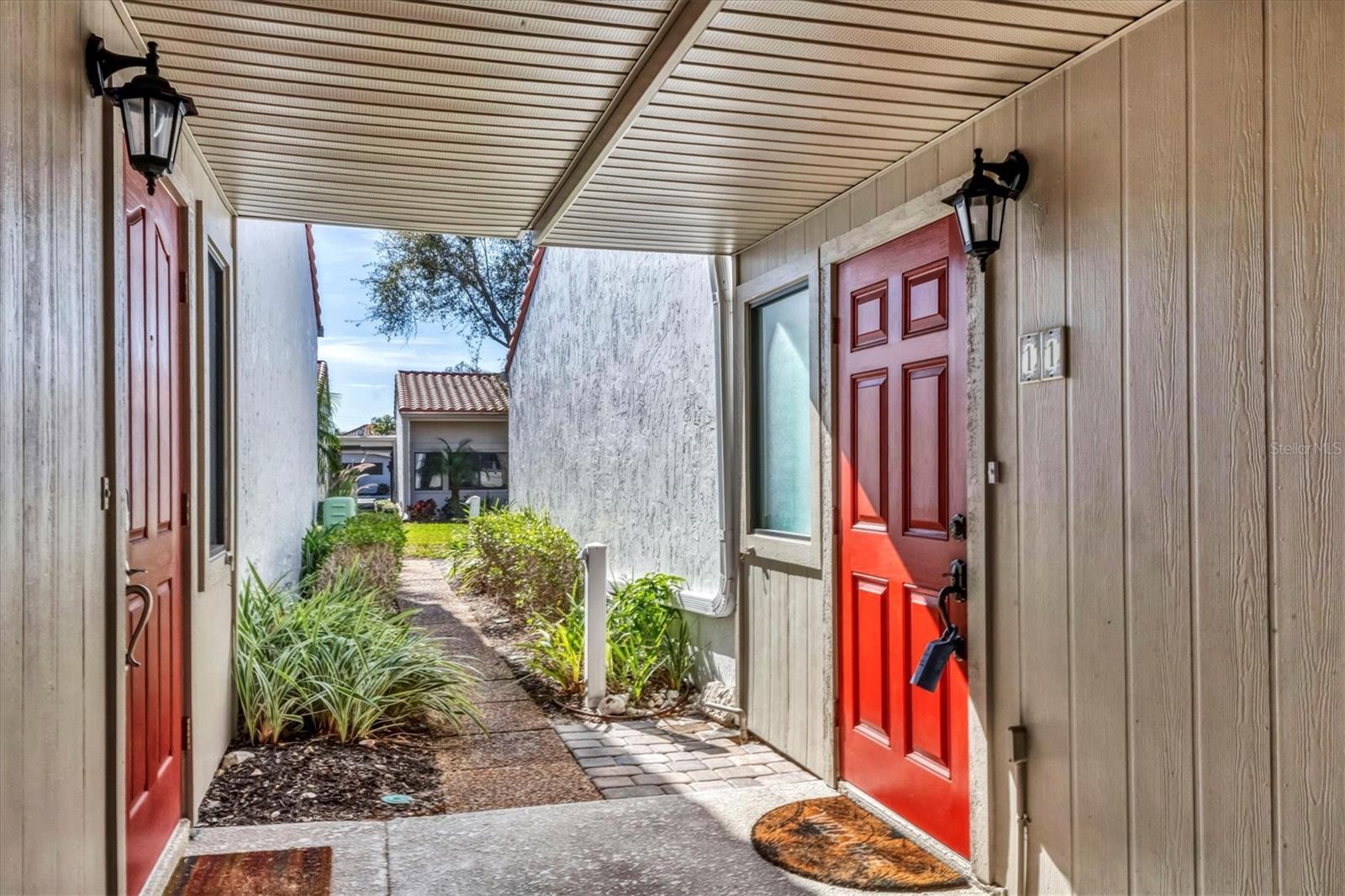
$324,000
Closed
Hurry to this villa-style condo in a 13-acre Gulf front community. Enjoy a fabulous lifestyle knowing this condo was not damaged by hurricanes. Beautifully updated with white cabinets and stone counters in kitchen and bathrooms. The high vaulted ceilings let in tremendous amounts of light that we crave in the winter months. You deserve to own this Aldea Mar, “Village by the Sea,” home. Bring your 30 lb pet because this community is pet friendly. You will have your private carport attached to your unit containing a large storage area with washer and dryer. There are 2 pavered outdoor living areas, one overlooks the putting green and lush grassy landscape. There is also a large community pool, clubhouse and shuffleboard court. The rental policy is a 30-day minimum, up to 4 times a year.

by Kimberly Lingley | May 27, 2026 | APRIL 2026 | NOKOMIS FL | Residential
APRIL 2026
96.27
Avg Sale Price (% of asking)

by Kimberly Lingley | May 15, 2026 | APRIL 2026 | VENICE FL | Residential
APRIL 2026
96.02
Avg Sale Price (% of asking)

by Kimberly Lingley | May 3, 2026 | APRIL 2026 | SARASOTA FL | Residential
Market trends in SARASOTA
APRIL 2026
$1125970
Avg Listed Price
240.89
Avg Sale Price (% of asking)

by Kimberly Lingley | Apr 28, 2026 | Residential | Active
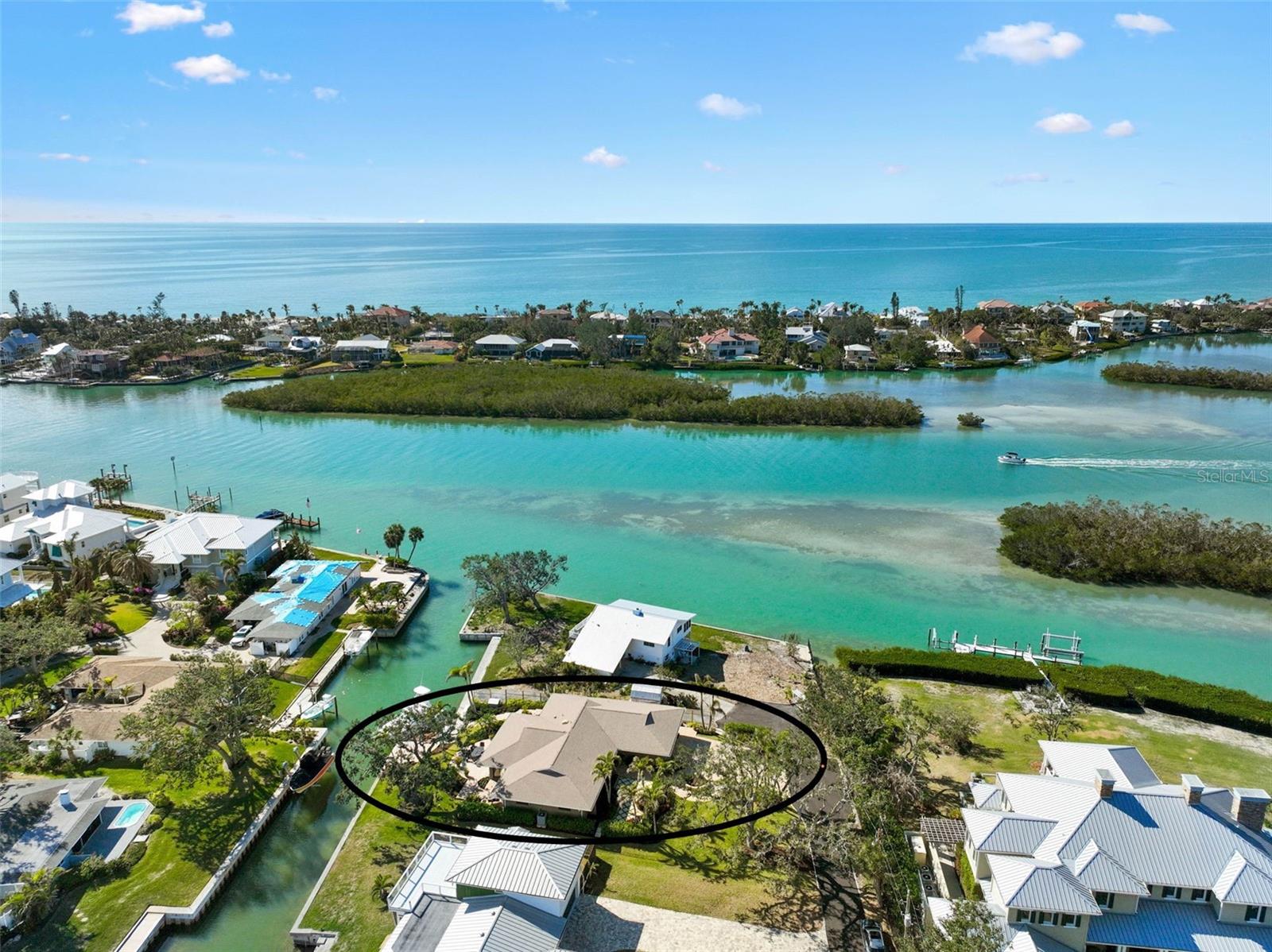
$1,595,000
Active
The PERFECT boating lifestyle set-up! Well-built home that sits high and dry yet close to the Jetties and Open Water! No flooding or hurricane damage. Perfectly nestled between the culturally rich Sarasota and the quaint charm of Venice, this home is your gateway to the Nokomis, Siesta Key, and Venice beaches. Here, life unfolds in a symphony of sun, sand, and sea! The No. 1 rated Pine View School is nearby. Indeed, you may indulge in every hobby you can dream of. Traverse the Legacy Biking Trail, unwind with a round of trap, skeet or sporting clays at Knights Trail Park, or get your equine fix at Fox Lea Farm. Dine and shop by golf cart along the waterfront, and embrace the home’s signature activities: sunset gazing, boating, and fishing. Step out to your boat in the back yard and be on the Gulf of America in minutes. For those who crave an unmatched waterfront existence, there’s simply no comparison. This modern abode perches regally on a lot crafted for outdoor enjoyment, with professional landscaping, and terraced paver areas that invite you to bask in the glory of Florida Gulf Coast sunsets. Elegant landscape lighting casts a glow on the three mature oak trees, showcasing the home’s natural allure. Step into a chef’s kitchen that’s a culinary dreamland, boasting a Wolf gourmet range, a Sub-Zero refrigerator-freezer, and a Bosch dishwasher. Custom-built, solid cherry cabinets with soft-close features and a walk-in butler’s pantry provide endless storage. The heart of this home is the 12-foot granite island, complete with an eat-in bar, overlooking two chef-curated vegetable and herb gardens and the soothing intracoastal waters. Large windows and sliders bathe the space in natural light, blurring the lines between indoors and out. A true split floor plan keeps the master en-suite distinct from two additional bedrooms, each boasting custom-built walk-in closets. The oversized garage, freshly coated in epoxy, is a dream for organization and storage, ideally suited for your fishing and boating gear. The dock stands ready for your catch of the day, equipped with a custom fillet table, fresh water, dock box storage, and dockside power. Don’t miss your chance to experience this truly exceptional home!


